You are now the producer
But even J Dilla had Stones Throw.
P.J. Worsfold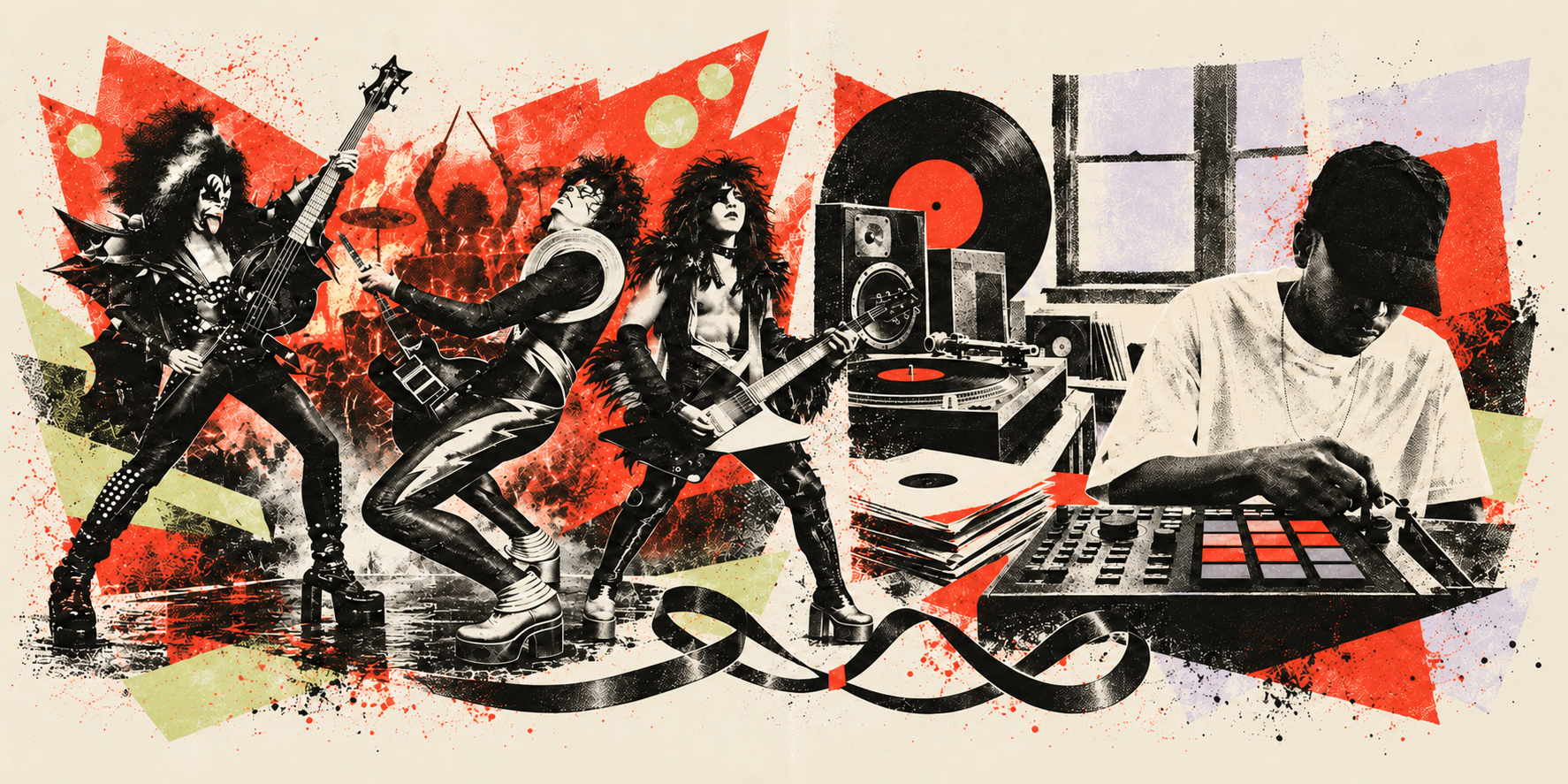
IN THIS NOTE (4) OPEN +CLOSE −
Kiss’s Alive! was the first record I bought. I picked it up from a long-since-closed used bookstore on 14th and Clyde in West Vancouver when I was nine or ten. Kiss had a look and a sound that were otherworldly: the hottest band in the land!
Behind the killer songs and chest hair was an enormous operation: a record label, managers, producers, touring crews, publicity, costume design, fake blood, and pyro. Being Kiss took a lot of people.
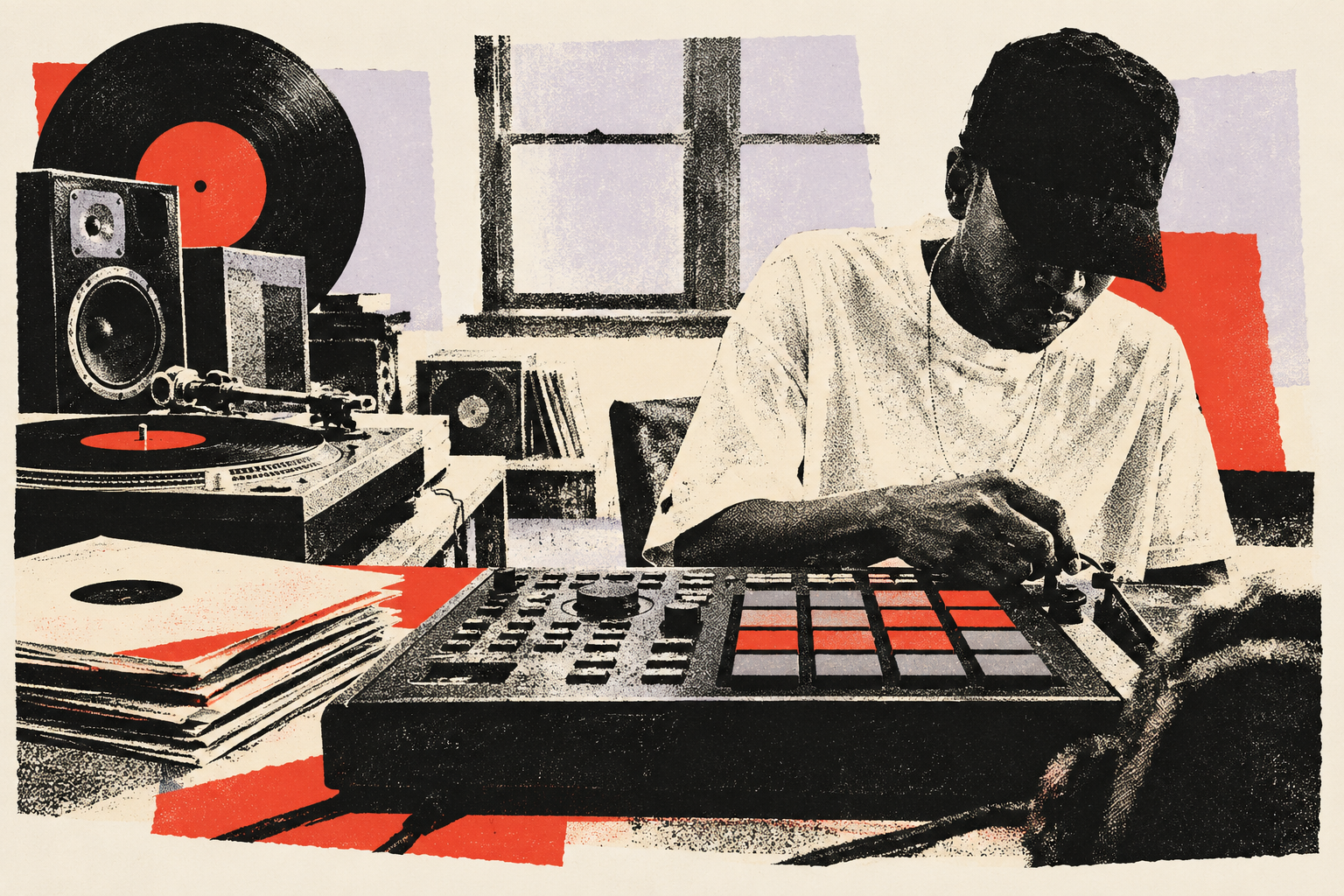
Then there’s J Dilla, another hero of mine. Dilla worked with hip hop and soul legends including Common, Busta Rhymes, and Erykah Badu. He was the quintessential basement producer. Equipped with stacks of vinyl, an MPC sampler, and a sometimes contrarian view of rhythm, he became one of hip hop’s most influential producers.
Kiss felt like an entire industry on a stage. Amazing, untouchable, impossible to imagine how you’d ever do it yourself. Dilla was someone I could relate to: a guy with records, gear anyone could buy, and his own ideas about what music could sound like. In truth, Kiss’s music moves me more. But it’s Dilla’s spirit that I feel closest to, especially in the time we’re living in.
When I look at what businesses can now do with AI, I think about Dilla and every other basement producer before and since, holed up in the lab making the thing that only makes sense to them. The sampler put much of the studio within reach. A kid with an MPC and a crate of records didn’t need a studio booking or anyone’s permission to find out if the idea was any good.
Until recently, building a software tool or a marketing campaign meant assembling a team before anything got made. Today you can begin that work with a prompt. The tools don’t guarantee the idea is good, but they let you find out before anyone else has to sign off on it.
Demos, not memos. You are now the producer.
But Dilla didn’t finish his records alone.
He made the beats. Other people helped turn them into records. He was part of Slum Village and produced with A Tribe Called Quest’s Q-Tip. BBE commissioned and released his solo debut, Welcome 2 Detroit. His collaboration with Madlib, Jaylib, came out through the Stones Throw label.
That’s a useful arrangement to think about when you’re running a business and managing AI adoption. You can make something the way you hear or see it in your head and still bring in people to help finish it. Dilla had Stones Throw. What help do you need? If you don’t decide, you can end up giving yourself every job.
You’ve made a decent image, so now you’re the designer. You’ve built a page, so now you’re responsible for the whole website. Meanwhile, you still have customers, staff, and a business to run. Plus whatever AI agent everyone’s telling you to try this week.
I’d ask three questions before adding another job to the week.
Do I know when it’s good?
Anyone could buy a sampler. What Dilla brought was his ear: which record to pull, which two seconds to take, how far to let the drums drag behind the beat. The machine didn’t know any of that. He knew what worked even when others doubted.
What’s your equivalent of Dilla’s ear? Maybe it’s how well you understand your customers, your eye for design, or a point of view people come to you for. That’s what you bring to the tools. With that clear, be honest about where you need help. Can you tell when the writing is dull? When the design is almost right but still feels wrong? When the tool works in the demonstration but falls apart in use?
If you keep making versions and can’t choose between them, it’s time for someone with a better eye, ear, or understanding.
Do I want this job?
You don’t need to be the next Scorsese to get something out of an afternoon making AI video. The more senior, the more strategic, the more you need to get your hands dirty, if only to understand the possibilities and gain fluency with AI as a creative tool. But there’s a difference between an afternoon lost in Higgsfield and an obligation to ship a video or two a week for eternity.
You get to decide which parts you keep. Write the newsletter yourself because it’s your point of view people are subscribing to. Let someone else edit it, design it, and make sure it goes out. Make the proof of concept yourself. Keep working on it until it looks, sounds, or behaves the way you had in mind. Then bring in help for the delivery.
How good does this need to be?
A rough idea for a conversation can be rough, but an investor pitch needs to be dialled in. The problem is that AI can make unfinished work look finished. The deck is slick while the thinking is half-baked. The app works in the demo, but the password is... password. Look past the finish. Who’s relying on this, and what happens if a figure is made up or a feature fails?
I want to know how far I can take an idea myself. I also want to know when someone else could make it better. That’s what I take from Dilla: make the thing you hear in your head, and leave room for the people who can help you get it out.
The fine print.
- 01INTERVIEWAmp Fiddler on introducing Dilla to the MPC and Q-Tip ↗
- 02RECORD LABELWelcome 2 Detroit, commissioned and released by BBE ↗
- 03RECORD LABELJaylib: J Dilla and Madlib on Stones Throw ↗
- 04ARTWORKIllustrations made with AI from photographic references.